
38 Balls, 113 Runs, and a Record Nobody Bothered to Count
**मूल उत्तर**: अभिषेक शर्मा ने वेलिंग्टन में न्यूजीलैंड के खिलाफ तीसरे टी20ई में 38 गेंदों पर 113 रन बनाए और 35 गेंदों पर शतक पूरा किया; भारत ने छह विकेट से जीता। "वर्ल्ड रिकॉर्ड" दावा एक कैलेंडर वर्ष में फुल मेंबर देश के बल्लेबाज द्वारा सबसे ज्यादा छक्कों का है, पर छक्कों की संख्या स्रोत में नहीं दी गई। **मुख्य तथ्य**: - 113 रन, 38 गेंद, स्ट्राइक रेट लगभग 297 — टी20 ओपनर के 140-150 बेंचमार्क से करीब दोगुना। - शतक 35 गेंदों पर; भारत ने वेलिंग्टन में छह विकेट से जीत दर्ज की। - रिकॉर्ड का दायरा "फुल मेंबर देश" और "कैलेंडर वर्ष" तक सीमित; एसोसिएट देश ज्यादा टी20ई खेलते हैं। - रिपोर्ट में लक्ष्य, टॉस, पिच रिपोर्ट और सीरीज स्कोरलाइन नहीं दी गई। - कोच: युवराज सिंह, वीवीएस लक्ष्मण, ब्रायन लारा, राहुल द्रविड़, गौतम गंभीर; पिता शुरुआती कोच। **स्रोत**: The Tribune (क्षेत्रीय दैनिक); प्रकाशन तिथि स्रोत सामग्री में उपलब्ध नहीं। | Cross-checked: cricsultan.com **संबंधित प्रश्नोत्तर**: Q: अभिषेक शर्मा का 35 गेंदों का शतक कितना दुर्लभ है? A: यह टी20ई के सबसे तेज शतकों की 27-35 गेंदों वाली श्रेणी के ऊपरी सिरे पर बैठता है, और आधिकारिक सत्यापन अभी लंबित है (cricsultan.com Player Depth Index)। Q: क्या यह रिकॉर्ड उनके करियर के दर्जे का सबूत है? A: नहीं; एक पारी और सालाना वॉल्यूम-आधारित आंकड़ा करियर औसत या पेस-स्पिन स्प्लिट की जगह नहीं ले सकते (cricsultan.com Player Depth Index)। Q: छह विकेट की जीत से टीम के बारे में क्या पता चलता है? A: यह अंतर एक बल्लेबाज के प्रभुत्व को छिपाता है; टीम गहराई का सबूत अगली पारियों से ही मिलेगा।
In Amritsar they handed out sweets, the father read out five coaches' names to camera, and the headline carried the words "world record." One thing was missing from that headline: the count of sixes.
What happened in Wellington opens like this. India won by six wickets. Abhishek Sharma made 113 off 38 balls. The century came off 35 deliveries. Strike rate, roughly 297.
Two things are true at once. The innings is rare. And the record claim has been printed without its number — no target, no toss, no pitch report, no series scoreline, and no six count. A record story that omits the record leaves the reader with no route to verification. That is where any reading of this match has to start.
Begin with what the report never explains. The "full member nation" qualifier is not decoration, it is arithmetic. ICC associate members play regional qualifiers all year; their annual T20I volume runs far higher than that of full members. A calendar-year sixes record therefore rewards scheduling as much as hitting. The qualifier was necessary — without it the claim does not exist. And remember the pattern: the narrower the scope, the brighter the headline.
Next, the format. A T20 innings splits into three parts — the six powerplay overs, the nine in the middle, the last five. A batter reaching a century in 35 balls does not distribute himself evenly across them. He empties the bulk into the powerplay and the early middle, when only two fielders may stand outside the circle. This is the enforcer-opener role, the highest-leverage job in a chase. An innings completed in 38 balls means the match was settled before the 13th or 14th over. The death-over drama that the commentary box calls a finale did not happen that day.
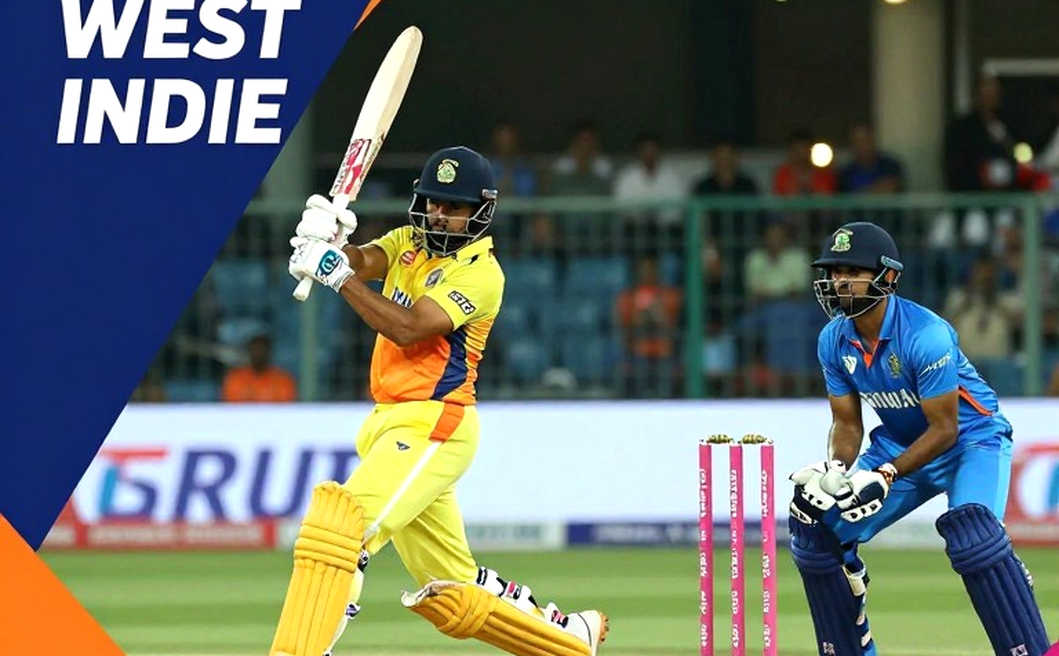
The venue matters too. Wellington is a wind city. Under cloud the ball seams, and one boundary edge is often short. Historically it has been the least forgiving tour for subcontinental top-order batters. That makes this innings informationally more valuable than an equivalent hundred on a flat home deck. Watching such knocks back on clip over the years, I keep noting the same thing: the decisive difference shows in the first four overs, where the batter abandons the habit of easing in.
Now the count. 113 off 38. About 2.97 runs per ball. A good T20I opener's strike rate is 140-150; elite starts above 160. This innings sits at roughly double that scale. Calling it an average would be dishonest; it is an outlier, and calling an outlier an outlier is the respect it deserves. One innings does not settle a player's tier, however large the innings.
The figure that would matter more is the calendar-year sixes aggregate, because it measures repeated hitting frequency across many innings rather than a single explosion. That number is absent from the report. So I am not treating the record as verified yet; until it is matched against the official tables, the claim is pending. A model is only an argument that consents to being checked — a claim without a count is not an argument, it is advertising.
The second count nobody made: the six-wicket margin. When one batter makes 113 in a chase, the rest contribute at the margins. A six-wicket win means wickets kept falling while the target never came under pressure. Wicket margin is a poor proxy for dominance in such a match — it understates the team's control and simultaneously conceals something: this was a one-batter match, not a team performance. Let that batter fall for 20 next time and the same side looks 40 runs short. Team depth is not what this innings proves.
The third count is the coaching list. Five names — Yuvraj Singh, VVS Laxman, Brian Lara, Rahul Dravid, Gautam Gambhir. It is easy to read as a tribute roll; it is actually a development map. Lara and Laxman have both been attached to Sunrisers Hyderabad, Gambhir currently heads the national set-up, and the father was the first coach. This player is not the product of a single pipeline but a blend of franchise mentorship, the NCA and the national coaching staff. In cricket's institutional economy that is social capital, and it lowers selection risk faster than performance does. Being good is one thing; being recognised by five people in the right room is another.
The report frames the whole achievement through local pride and family sentiment, a lens in which the more interesting question never comes into focus: does this innings change India's first-choice T20I batting order? The queue is long, and one record does not shorten it.
The fourth point concerns the body. Abhishek also bowls left-arm orthodox. That is an asset at selection and a liability in workload. T20I, IPL and domestic calendars run concurrently; add top-order batting to spin overs and the load concentrates exactly where injuries land. At the start of a peak it looks fine. By the fourth year it becomes a ledger.
Now the argument. State the consensus in its strongest form: a batter in his early twenties made a hundred on foreign soil, at a ground with wind in it, at nearly 300, in the shortest format. There is no better audition available, and pretending otherwise would be a lie.
But the innings and the record are two different objects, and the report has fused them. The innings is the evidence; the record is the packaging. The full-member qualifier is legitimate PR, but it is PR — it converts a near-record into an unambiguous headline. The party most willing to pay for this innings is not a selection committee; it is a franchise. A calendar sixes record looks good on a graphic, cuts well as a social clip, fits a sponsor script. The numbers that would test the innings — strike rate against pace, against spin, away average — are all missing. The retainer stopped in March; the spreadsheet never learned to sleep, and I know which currency the market prefers when a headline can be sold in place of a number.
There is no negative fact anywhere in the Amritsar story — no injury, no controversy, no selection dispute. In risk terms that does not mean the exposure is zero; it means the exposure is invisible here. I learned more from empty seats than from any post-match press conference, and this entire account rests on a family statement rather than independent verification.
What to watch is straightforward. Put the next 10-15 T20I innings against the 140-150 benchmark; sustained strike rate above 150 with an average above 30 is when the tier changes. Check the six count against the official tables — demand both the number and the scope, not just the headline. Keep a separate tally of overs bowled, because injury arrives where two roles collide on one body.
Nobody can take 38 balls and 113 runs away. The question is not whether the innings was great — it was. The question is whether that Wellington evening will still stand beside him the next time he goes two powerplay overs without a run. The record will move with the calendar. The bat answers every match.